
How to Live Off-Grid in 2026 — The Complete Step-by-Step Guide
Introduction
Off-grid living in 2026 is not about “escaping society.” It’s about building resilience, lowering your dependence on fragile systems, and designing a lifestyle that is simpler, cleaner and more independent.
This guide walks you through the real-world steps: planning, location, shelter, power, water, waste, food, tools, costs, and common mistakes — plus a practical checklist to get started.
Looking for a reliable Survival Kit?
Here are our top off-grid recommendations:
1) Define Your Off-Grid Lifestyle (Choose Your “Level”)
Before you buy anything, decide what “off-grid” means for you:
Level A — Off-grid “light” – Best for: beginners, renters, weekend cabins.
Solar power for lights + devices,
City water or delivered water,
Small garden.
Level B — Semi off-grid – Best for: eco-villages, rural homes, bamboo houses.
Solar power + battery for daily living,
Rainwater harvesting + filtration,
Composting or septic system,
Regular food growing.
Level C — Fully off-grid – Best for: remote living, long-term resilience.
Full solar system (expandable),
Rainwater + storage + filtration,
Food production (garden + animals or community network),
Redundant systems for emergencies.
Decision tip: Start with Level A or B and scale over time.
2) Location: The 7 Things That Decide Your Success
A beautiful spot can still be a bad off-grid location.
Check:
Sun exposure (for solar) — avoid constant shade
Rain patterns (for water security)
Access (roads, emergency, deliveries)
Local regulations (building, water, waste)
Internet / signal (if you work online)
Security & community (off-grid is easier with allies)
Soil quality (if you plan food production)
3) The Four Pillars of Off-Grid Living (and what to buy first)
☀️ 3.1 Energy (The Off-Grid Heart)
A modern off-grid setup usually starts with:
Portable power station (battery + inverter),
Foldable solar panel or fixed panels,
Optional: expandable battery system.
What you can run:
Phones, lights, laptops: easy.
Fridge, tools, pumps: depends on capacity.
Quick sizing guide (simple):
300–500 Wh → lights + phones + small devices,
700–1500 Wh → laptops + lights + small appliances,
2000+ Wh → fridges, pumps, heavy daily use.
Most people should start with: 1000 Wh + 200–400W solar input.
👉 Read: Solar & Energy Solutions
💧 3.2 Water (Freedom and Safety)
If you plan to rely on rainwater, a safe system has 4 steps:
Collection (roof/gutters),
First flush (diverts dirty first rain),
Filtration (sediment + carbon + gravity),
Storage (tanks, protected from contamination).
Two types of water use:
Non-potable: shower, cleaning, irrigation,
Potable: drinking and cooking (needs better filtration).
Beginner setup that works well:
Sediment pre-filter + carbon + gravity filter
👉 Read: How to Filter Rainwater
🏡 3.3 Shelter (Bamboo + Natural Building)
Your shelter affects everything: comfort, maintenance, humidity, safety.
Bamboo and natural building are powerful because:
Lightweight, fast construction,
Renewable material,
Beautiful and climate-friendly,
Ideal for modular, scalable builds.
2026 reality check: bamboo houses need:
Proper treatment (pests/humidity),
Good roof design,
Ventilation and drainage,
Quality joints and protection from ground moisture.
“How to Build a Bamboo House (Beginner to Advanced)”
🌱 3.4 Food (Security and Health)
You don’t need a full farm at day one.
Start with:
A small garden (greens, herbs, fast crops),
Compost system,
Local food network (neighbors, markets, co-ops).
Best starter plants for most climates:
Leafy greens, herbs, beans, sweet potato, tomatoes (depending on region).
4) Waste & Sanitation (Non-Negociable)
Off-grid doesn’t mean “no rules.” It means responsible systems.
Common options:
Septic system (common in rural homes),
Composting toilet (popular in eco-villages),
Greywater system (for sinks/showers, not toilets).
Rule: Plan waste before building long-term.
5) Tools & Gear That Make Off-Grid Life Easier
These categories sell very well as Amazon affiliate and are genuinely useful:
Solar generator / power station,
Solar panels,
Water filtration (gravity + portable),
Hand tools (saw, machete, axe),
Headlamps / solar lanterns,
First aid kit,
Outdoor cooking (rocket stove),
Tarps, ropes, fastening systems.
6) Realistic Costs (Ranges)
Costs vary widely by country and how DIY you are, but here are realistic ranges:
Starter Off-Grid (Level A)
Power station + solar: US$ 300–900
Basic water filter: US$ 30–150
Total: ~ US$ 350–1,050
Semi Off-Grid (Level B)
Expandable energy setup: US$ 1,200–4,000
Tanks + filtration: US$ 300–2,000
Total: ~ US$ 1,500–6,000
Full Off-Grid (Level C)
Serious solar + batteries: US$ 5,000–20,000+
Water + sanitation + redundancy: US$ 2,000–10,000+
Total: depends heavily on shelter and location.
Best strategy: start small, upgrade as your needs become clear.
Thousands of people are already using Emergency Kit for Adventure to live off-grid.
Explore the most trusted models below:
7) The 10 Most Common Mistakes (and how to avoid them)
Buying solar gear before understanding daily power needs,
Underestimating water storage and filtration,
Bad roof + drainage design (kills bamboo/natural builds),
No redundancy (one failure ruins the system),
Ignoring humidity, insects, pests,
Poor security planning,
No community network,
Trying to “go full off-grid”, immediately
Not tracking costs (small purchases add up fast),
Building without considering legal/safety basics.
8) The Off-Grid Starter Checklist (Copy & Use)
✅ Choose your off-grid level (A/B/C)
✅ Assess sun + rain + access
✅ Define your daily power needs
✅ Start with energy: 1000Wh + solar input 200–400W
✅ Set up water: collection + first flush + filtration + storage
✅ Plan sanitation/waste system
✅ Start small food production
✅ Build slowly, improve continuously
✅ Document what works and share your proces
9) Recommended Next Reads (Internal Links)
To help you go deeper, read:
How to Build a Bamboo House,
Best Tools for Bamboo Construction.
Final Thoughts
Off-grid living in 2026 is about creating a lifestyle that is:
More resilient,
More sustainable,
More connected to nature,
Less dependent on unstable systems.
Start small, build smart, and grow step by step.
Affiliate Disclosure
Some links on this page are affiliate links.
This means we may earn a small commission if you purchase through them, at no extra cost to you.
This helps support the Bambucracia project.
“The future grows here.”
Practical guides for sustainable living.
Best Solar Generators for Off-Grid Living (2026 Guide) ☀️
Living off-grid is no longer just a dream. With modern solar generators, you can power your home, cabin, bamboo house or eco-village with clean, silent and renewable energy.
In this guide…
How to Filter Rainwater for Off-Grid Living (2026 Guide) 💧
Rainwater is one of the most powerful resources for sustainable and off-grid living. Rainwater can be transformed into clean, safe and drinkable water for homes, bamboo houses and eco-villages.
This guide explains…
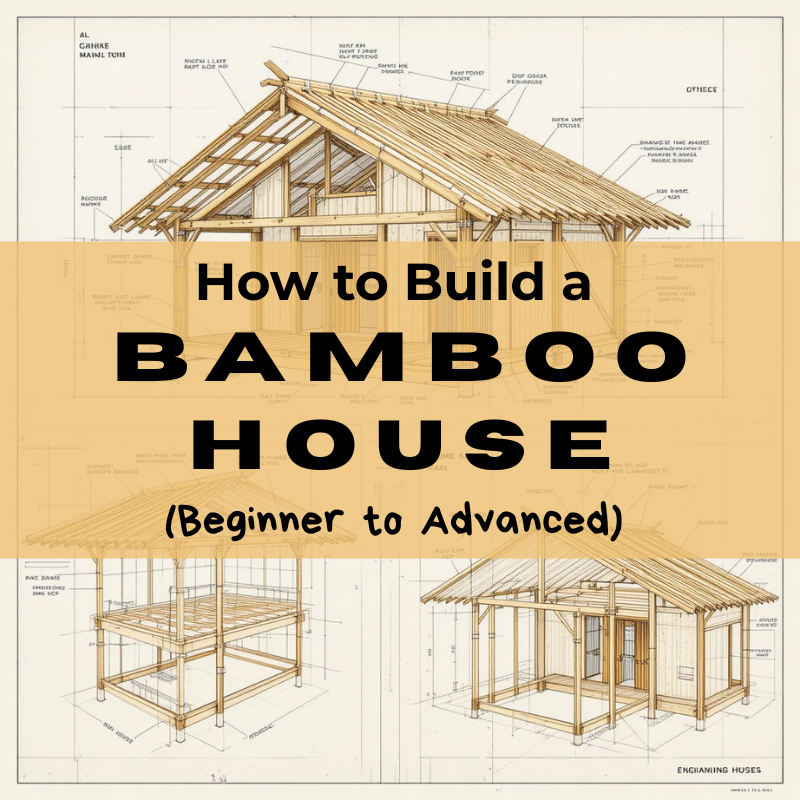
How to Build a Bamboo House (Beginner to Advanced) 🏡
Building a bamboo house combines traditional knowledge with modern engineering principles. Bamboo is renewable, flexible, lightweight, and structurally efficient when properly treated and assembled.
This guide…
Bambucracia - “Where nature becomes structure.”
Bambucracia promotes sustainable living through bamboo architecture, eco-villages, and regenerative design solutions.
Community:
E-mail: contato@bambucracia.com.br
© 2026 Bambucracia — Sustainable Solutions.
Reproduction in whole or in part is prohibited without authorization.